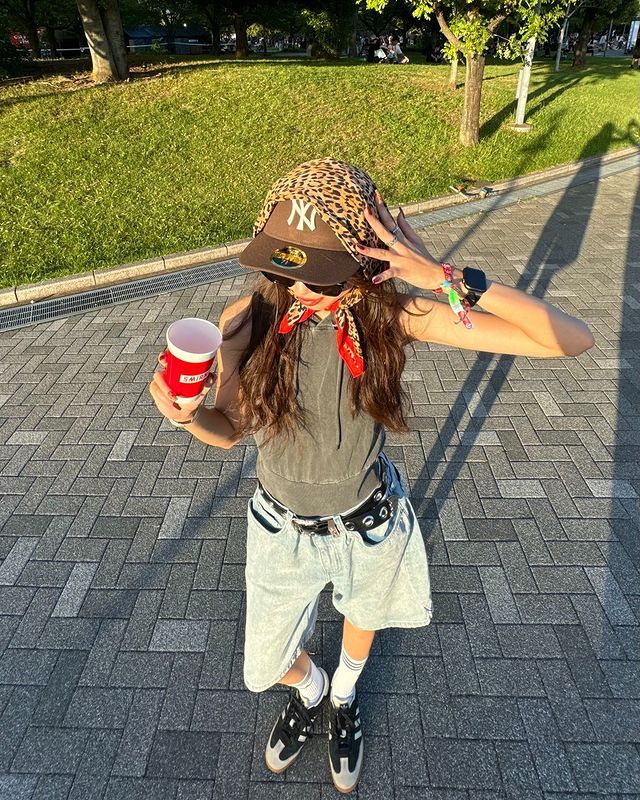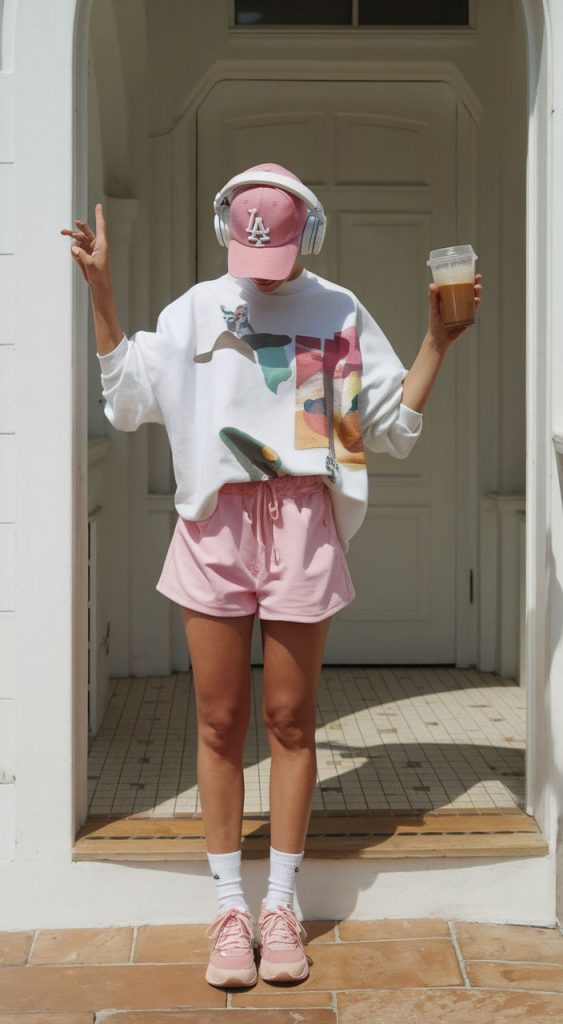
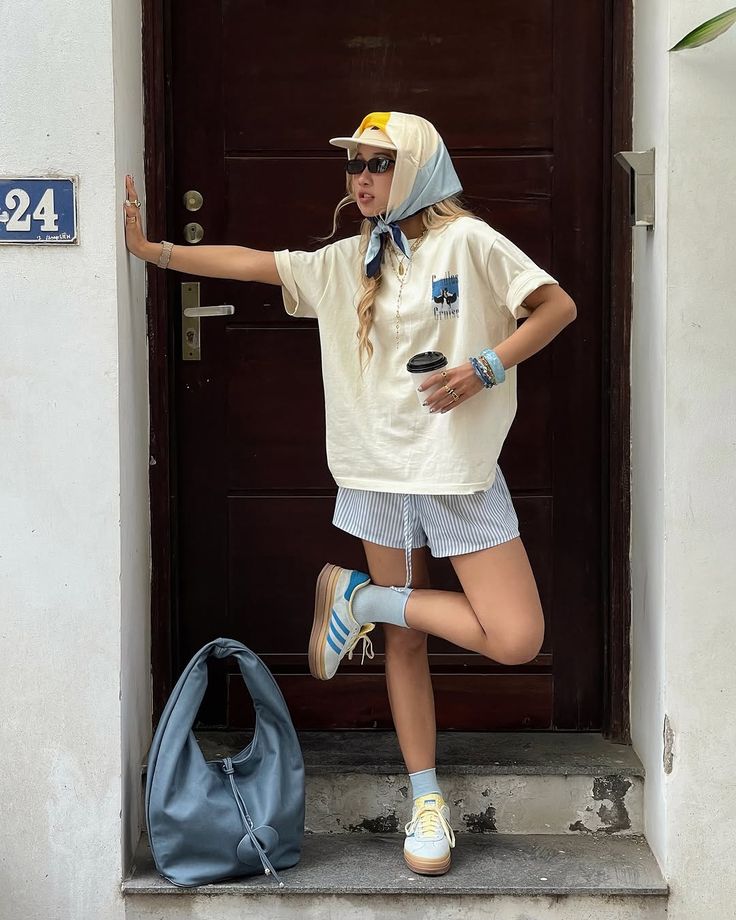
In recent years, fashion has undergone a noticeable shift. Loud patterns, excessive details, and fast-changing trends are slowly giving way to cleaner lines, softer palettes, and more intentional design. This movement toward simplicity is not accidental—it reflects how modern people live and what they value.
Simplicity in fashion does not mean lack of creativity. Instead, it represents clarity. It removes unnecessary noise and allows quality, fit, and comfort to take priority.
The lifestyle behind simple fashion
Modern lifestyles are fast and fluid. People move between work, social life, and personal time with little separation. Clothing that demands specific settings or constant adjustment no longer fits this reality.
Simple fashion adapts. Neutral colors pair easily. Clean silhouettes transition across environments. Well-designed basics reduce the need for overthinking. This adaptability is why simplicity feels so relevant today.
Quality over excess
When design is minimal, quality becomes visible. Fabric choice, construction, and fit are no longer hidden behind decoration. Every detail matters.
This shift encourages people to invest in pieces they can wear repeatedly and confidently. Clothing becomes more than seasonal—it becomes reliable. Over time, wardrobes grow smaller but stronger, filled with items that truly serve the wearer.
Mental clarity through clothing
There is also a psychological aspect to simple fashion. Visual calm can create mental calm. Wearing clothing that feels balanced and familiar reduces stress and decision fatigue.
This does not eliminate personal expression. Instead, expression becomes more refined. A subtle detail, a favorite cut, or a consistent color palette can say more than bold statements ever could.
Simplicity as modern confidence
Choosing simplicity requires confidence. It means trusting personal taste rather than external validation. In a world filled with constant visual stimulation, simplicity stands out by being intentional.
Modern fashion is moving toward simplicity not because trends demand it, but because people do. It reflects a desire for ease, longevity, and authenticity—values that extend far beyond clothing.